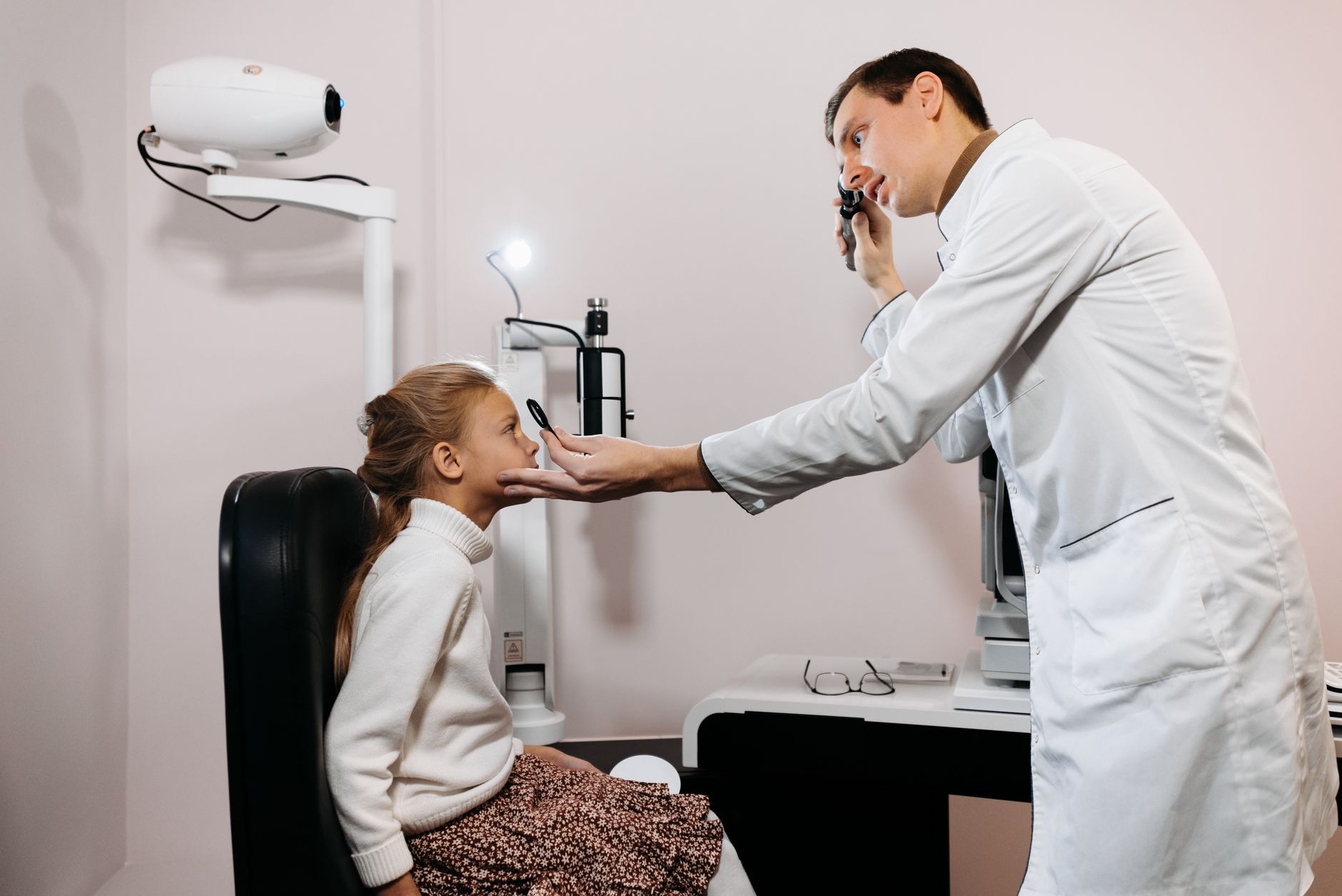
Orthokeratology vs. Atropine Drops for Childhood Myopia: A Complete Comparison
By Primary Eye Care Associates9 min read
Ortho-K reshapes the cornea overnight via rigid contact lenses, eliminating daytime glasses. Atropine drops are a simple nightly medication but require continued glasses wear. The best choice depends on your child's age, prescription, lifestyle, and compliance.
What Are Orthokeratology and Atropine Drops, and How Do They Work?
Both orthokeratology and low-dose atropine drops fall under the category of myopia management, meaning they address the underlying progression of nearsightedness rather than simply correcting today's prescription. The global prevalence of myopia has surged from 22.9% in 2000 to an estimated 34% in 2020 and is expected to reach 50% by 2050 (cellnatsci.com), and for children, the stakes are high: unchecked axial elongation increases the lifetime risk of retinal detachment, glaucoma, and macular degeneration. These two treatments take entirely different paths to slow that elongation. Ortho-K uses overnight rigid gas-permeable lenses worn during sleep to temporarily reshape the cornea, providing clear daytime vision without glasses or contacts. Atropine is a nightly medicated eye drop that reduces the eye's axial elongation through pharmacological action). Neither is a permanent cure. Both require continued use throughout the child's active development years, typically ages 6-18.
How Does Orthokeratology Reshape the Cornea?
Ortho-K lenses apply gentle hydraulic pressure during 8-10 hours of sleep. This flattens the central cornea and redistributes epithelial cells to the mid-periphery. For standard myopic ortho-K, published OCT studies report central epithelial thinning on the order of approximately 9-13 μm and mid-peripheral thickening of approximately 3-11 μm (pmc.ncbi.nlm.nih.gov). This redistribution creates a peripheral defocus signal that tells the eye to reduce axial elongation. Children typically achieve functional daytime vision within the first 1-2 weeks of consistent overnight wear. The corneal reshaping effect of ortho-K is generally reversible upon stopping lens wear, but the timeline varies significantly with duration of use: short-term users may recover within 1-2 weeks, while long-term wearers (2+ years) may require weeks to months for full reversal, and some minor residual corneal changes have been documented even after extended washout periods. Ortho-K requires precise fitting and closer contact-lens hygiene than standard soft lenses, which is why the orthokeratology fitting process demands a clinician with advanced diagnostic equipment including corneal topography.
How Does Low-Dose Atropine Work on a Myopic Eye?
Atropine is an anticholinergic agent that blocks muscarinic receptors in the eye. The precise mechanism by which this slows axial growth is still under active research, but clinical results are consistent across multiple large trials. The LAMP study, which examined children with myopia of at least −1.0 diopter and astigmatism of −2.5 D or less (pubmed.ncbi.nlm.nih.gov), found that 0.05% atropine was the most effective concentration among 0.05%, 0.025%, and 0.01%, but it also produced the greatest side effects in a dose-dependent manner, including the most light sensitivity and pupil dilation; these effects did not significantly impair visual acuity or quality of life, though a small rebound effect was observed upon cessation, so the correct characterization is that side effects were tolerable rather than absent. Atropine does not require lens wear, making it a better fit for younger children or families uncomfortable with contacts. Drops are applied once nightly, which keeps caregiver administration straightforward even for toddlers. This simplicity is a genuine advantage for families managing busy Northern Kentucky school-night routines.
How Do Ortho-K and Atropine Compare on Effectiveness?
Head-to-head clinical data gives parents real numbers to work with, not marketing claims. Multiple large trials have demonstrated meaningful differences in myopia progression between treated and untreated groups, differences that translate to years of better vision health.
Which Treatment Works Better for High Myopia Progression?
Children with rapidly progressing myopia benefit from the strongest available intervention. Ortho-K shows particularly strong results for moderate-to-high prescriptions because the peripheral defocus mechanism directly counters axial elongation. The data on combination therapy is even more compelling. Some eye doctors combine therapies when progression is faster or risk is higher; combination therapy (ortho-K plus atropine) is an emerging, evidence-supported option for children with aggressive myopia progression or suboptimal response to monotherapy, but it has not been designated standard practice by major guideline bodies such as the IMI, and no authoritative guideline specifies 0.75 diopters per year as the threshold for initiating combination treatment. Combination therapy is also supported by data from a retrospective study of fast-progressing myopes showing that ortho-K with 0.05% atropine produced 0.14 mm of axial elongation over one year versus 0.27 mm for ortho-K alone in that high-risk subgroup; results in unselected children may differ (pubmed.ncbi.nlm.nih.gov). The evidence is clear: one treatment is good, but the right combination can be significantly better for high-risk cases.
Ortho-K vs. Atropine: Safety, Side Effects, and Long-Term Risks
Parents in Florence, Hebron, and Burlington reasonably want to know what they are signing their child up for long-term. Both treatments have well-characterized safety profiles, but the risk categories are completely different. Ortho-K's primary concern is microbial keratitis from improper lens hygiene. That is a low absolute rate, but it is not zero. This risk is essentially a function of hygiene compliance, which is why parental supervision matters, especially for children under 12. Ortho-K also carries contact-lens risks such as irritation and infection if hygiene is poor. Families must treat lens care as a non-negotiable daily habit, not an occasional chore. Strict cleaning protocols and annual lens replacement significantly reduce infection risk in clinical settings.
Is Orthokeratology Safe for Young Children?
FDA-cleared ortho-K lenses have been used in supervised clinical settings in children as young as 6 to 7 years old. The safety variable is hygiene compliance. Parents must be willing to supervise lens cleaning, insertion, and removal for younger children every single night. Annual follow-up exams and lens replacements are non-negotiable components of a safe ortho-K program. At Primary Eye Care Associates, we require all ortho-K families to attend a hands-on training session before dispensing lenses, and we provide a clear emergency protocol for any signs of infection. In our experience, families who complete this training achieve significantly better long-term compliance and avoid the contact lens complications we see in practices that skip this step. Ortho-K typically suits older children, ages 8 and up, who can manage lens care independently and want daytime freedom from glasses. For younger children or those with anxiety about touching their eyes, atropine is often the safer starting point.
Are Atropine Drops Safe for Long-Term Use in Kids?
Atropine can cause light sensitivity or temporary near-vision blur, depending on dose. Some reduction in accommodation amplitude has been observed at higher concentrations, which can cause some difficulty with near focus, particularly for young readers. Cardiovascular and systemic absorption risks are negligible at therapeutic low doses with proper nasolacrimal occlusion technique. A small percentage of children experience transient stinging upon application, which typically diminishes within the first few weeks. Atropine is easy to use at home, once nightly, and does not require any special storage or equipment.
Cost, Convenience, and Lifestyle Fit: Practical Comparison
Cost is a real factor for Northern Kentucky families navigating specialty eye care options. This includes corneal topography mapping, fitting visits, and the lenses themselves. Most practices offer financing plans or bundled pricing for multi-year programs, and families should consult their insurance provider and benefits administrator to understand what coverage may be available for myopia management treatments. Families weighing cost should also factor in the cost of new glasses or soft contacts every 6 to 12 months as untreated myopia progresses, which erodes the apparent savings of doing nothing.
Which Option Fits an Active Child's Lifestyle Better?
The best choice depends on the child's age, how fast the myopia is progressing, corneal shape, daily routine, and how well the family can manage follow-up visits and hygiene. Consider a specific scenario: a 10-year-old in Florence who swims competitively and cannot wear goggles over glasses. Ortho-K is transformative for this child. Glasses-free daytime vision is the single biggest quality-of-life advantage ortho-K offers over atropine. For team sports, swimming, and outdoor activities across Northern Kentucky, removing the glasses variable entirely matters. Atropine suits younger children, children who cannot manage contacts, or families wanting the simplest routine. It requires no daytime intervention and does not affect sports participation in any way. For families who struggle with consistent routines or have children anxious about contact lenses, atropine's one-drop-at-bedtime protocol often produces better real-world compliance than a nightly lens care regimen.
Ortho-K vs. Atropine: The Verdict and How to Choose
Evidence supports both treatments, and the decision framework is straightforward once you know your child's profile.
Choose ortho-K if your child is 8 or older, active in sports, motivated to manage lens care with parental support, and has moderate-to-high myopia.
Choose atropine if your child is under 8, has a lower prescription, has compliance concerns with contact lenses, or if you want the simplest nightly routine.
Consider combination therapy for high-risk cases. Early intervention is the most consistent predictor of better outcomes. Our team has found that children who begin myopia management within the first year of progression notice measurably better visual development than those who wait until prescriptions have already climbed significantly. Start treatment at the first signs of progression, not after the prescription has already climbed.
Comparison Table: Orthokeratology vs. Low-Dose Atropine at a Glance
Use this table as a quick reference when discussing options with your eye doctor. Every row reflects clinical evidence, not marketing.
Pros and Cons: Orthokeratology
Pros: Glasses-free daytime vision, strong efficacy for moderate-to-high myopia, reversible, excellent for athletes, addresses both correction and control simultaneously.
Cons: Higher upfront cost, requires nightly lens hygiene discipline, infection risk with poor care, not suitable for all corneal shapes, requires specialist fitting with corneal topography.
Pros and Cons: Low-Dose Atropine
Pros: Simple one-drop nightly routine, suitable for any age, low cost to start, no contact lens handling, well-studied safety record, easy to combine with other treatments.
Frequently Asked Questions
Can my child use both orthokeratology and atropine drops at the same time?
Yes, combination therapy is clinically supported for high-risk cases. Children using both ortho-K and 0.01% atropine showed axial elongation of just 0.17 mm over two years versus 0.34 mm with ortho-K alone. Some eye doctors combine therapies when progression is faster or risk is higher. A myopia management specialist should assess whether the additive benefit justifies the added complexity.
How do I know if my child's myopia is progressing fast enough to need treatment?
Progression of more than 0.50 diopters per year or consistent axial length increase at any speed warrants a myopia management discussion. Your child's eye doctor can measure axial length at each visit to track growth over time. Children with early onset, family history of high myopia, or Asian ethnicity face higher progression risk and benefit from earlier intervention.
Does insurance cover orthokeratology or atropine drops for myopia management?
Most vision and health insurance plans do not fully cover myopia management treatments. Atropine drops prescribed for off-label myopia control may not be covered, and compounding pharmacy costs apply. Ortho-K fitting and lenses are rarely reimbursed. However, Health Savings Accounts and Flexible Spending Accounts typically cover both. Many practices offer bundled or multi-year pricing to reduce out-of-pocket costs.
At what age should myopia management treatment start?
Treatment should begin at the first evidence of progression, not when the prescription has already climbed significantly. Atropine can be used at any age, making it suitable for children as young as 4 to 6. Ortho-K is typically recommended for children 8 and older who can reliably manage lens care. Earlier intervention consistently produces better long-term outcomes across both treatments.
How long does my child need to continue ortho-K or atropine treatment?
Both treatments require continued use throughout the active myopia development years, generally from onset through age 18 to 20. Stopping early carries a risk of resuming progression. With atropine, higher-dose regimens have a rebound effect, but 0.01% to 0.05% doses have minimal rebound. Ortho-K effects reverse within days of stopping, so vision correction also returns to baseline.
What are the side effects of orthokeratology vs atropine in kids?
Ortho-K's primary risk is microbial keratitis from poor hygiene, occurring at a rate of 5.4 per 10,000 patient-years. Lens irritation is also possible. Atropine at 0.05% can reduce accommodation amplitude and cause light sensitivity; the 0.01% concentration has minimal side effects. Both treatments have strong pediatric safety records when used as prescribed with appropriate clinical monitoring.
How effective is each treatment at slowing myopia progression?
Clinical trials report ortho-K slows progression by up to 59% and atropine by up to 50%. The LAMP study showed 0.05% atropine produced only 0.20 mm of axial elongation versus 0.41 mm in the placebo group over one year. Combination therapy reduces axial elongation by 36% compared to ortho-K alone. Individual response varies, and 6-month monitoring is essential to assess each child's outcome.
Is orthokeratology safer than atropine for young children?
Neither is categorically safer; they carry different risk profiles. Atropine is generally easier and lower-risk for children under 8 because it requires no contact lens handling. Ortho-K's infection risk is low but real, and depends heavily on hygiene compliance. For children who can manage lens care with parental supervision, ortho-K's safety record is well-established in FDA-cleared clinical use.
What costs should I expect for ortho-K or atropine in Northern Kentucky?
In the Northern Kentucky and Greater Cincinnati area, ortho-K typically costs $1,200 to $2,500 for the first year, covering fitting, lenses, and follow-up visits. Subsequent years run $300 to $600. Low-dose atropine compounded drops cost $30 to $80 per month, totaling $360 to $960 annually plus exam fees. Neither is routinely covered by insurance, but FSA and HSA funds generally apply.
Are there local eye doctors in Northern Kentucky who offer both?
Primary Eye Care Associates in Burlington, KY offers both orthokeratology and low-dose atropine therapy for childhood myopia management, serving families across Northern Kentucky, Greater Cincinnati, Florence, and Hebron. With deep clinical experience and advanced diagnostic technology including corneal topography and axial length measurement, we provide personalized myopia management plans tailored to each child's progression rate and lifestyle.
Sources & References
- Comparing the Efficacy of Low-Dose Atropine Eye Drops - Cell and Natural Sciences[industry]
- Orthokeratology for stable mild-to-moderate keratoconus: a pilot study on safety and corneal remodeling via quantitative OCT analysis - PMC[edu]
- Low-Concentration Atropine for Myopia Progression (LAMP) Study - PubMed[gov]
- Orthokeratology: clinical utility and patient perspectives – PMC (PubMed Central / NIH)[factcheck]
- Increased Corneal Toricity after Long-Term Orthokeratology Lens Wear - PMC[factcheck]
About the Author
Primary Eye Care Associates
Primary Eye Care Associates is a Burlington, Kentucky optometry practice specializing in advanced diagnostics and treatment for complex eye conditions including dry eye, binocular vision dysfunction, keratoconus, and myopia across Northern Kentucky and Greater Cincinnati.
Related Posts
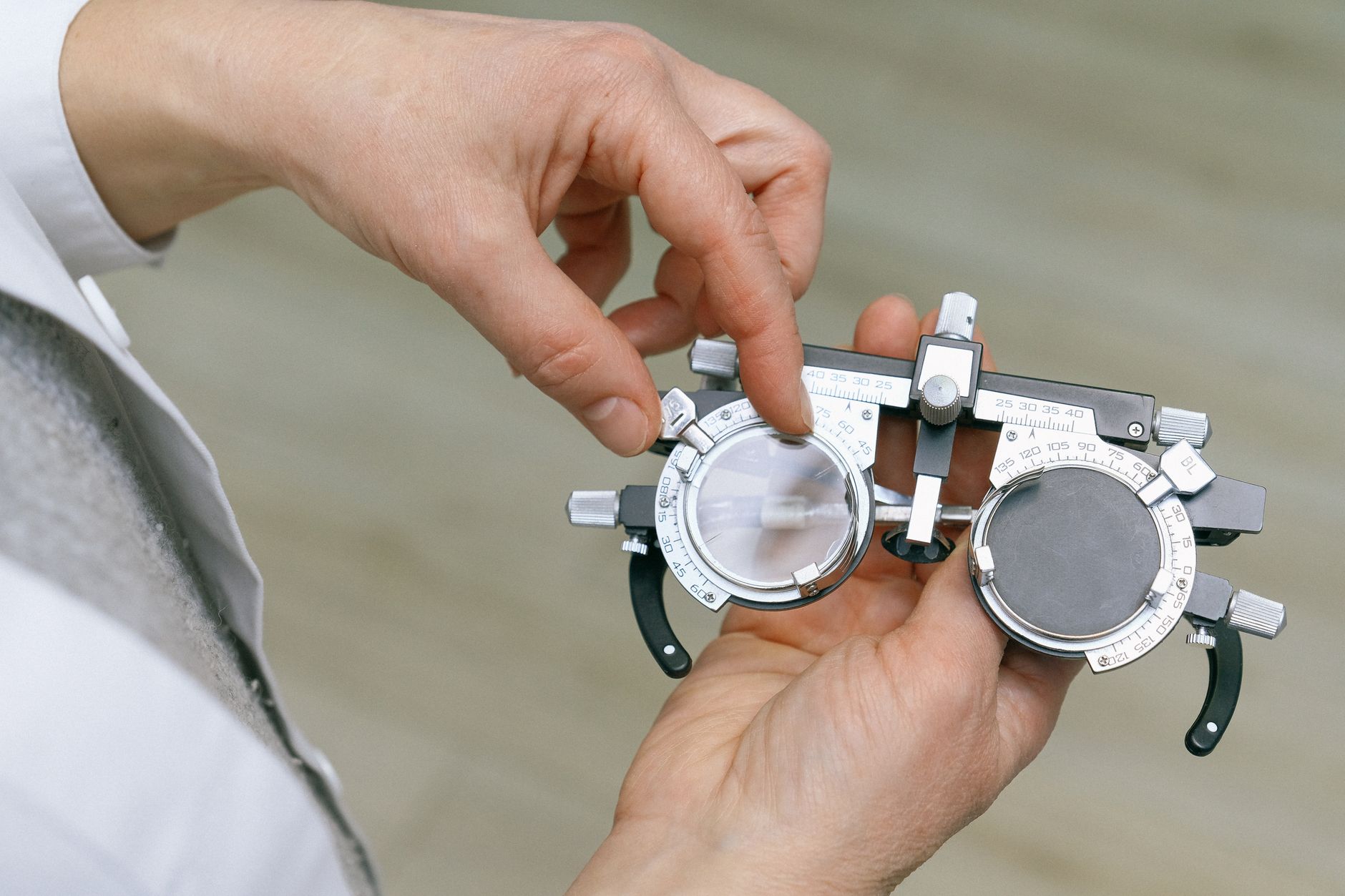
Scleral Contact Lens Fitting: Cost, Process, and What to Expect in Northern Kentucky
Scleral contact lenses can transform vision for patients with keratoconus, dry eye, and post-surgical corneas, but the fitting process is more involved than standard contacts. This guide breaks down the real costs, step-by-step process, and what patients in Northern Kentucky should expect from a specialty optometry practice.
12 min read
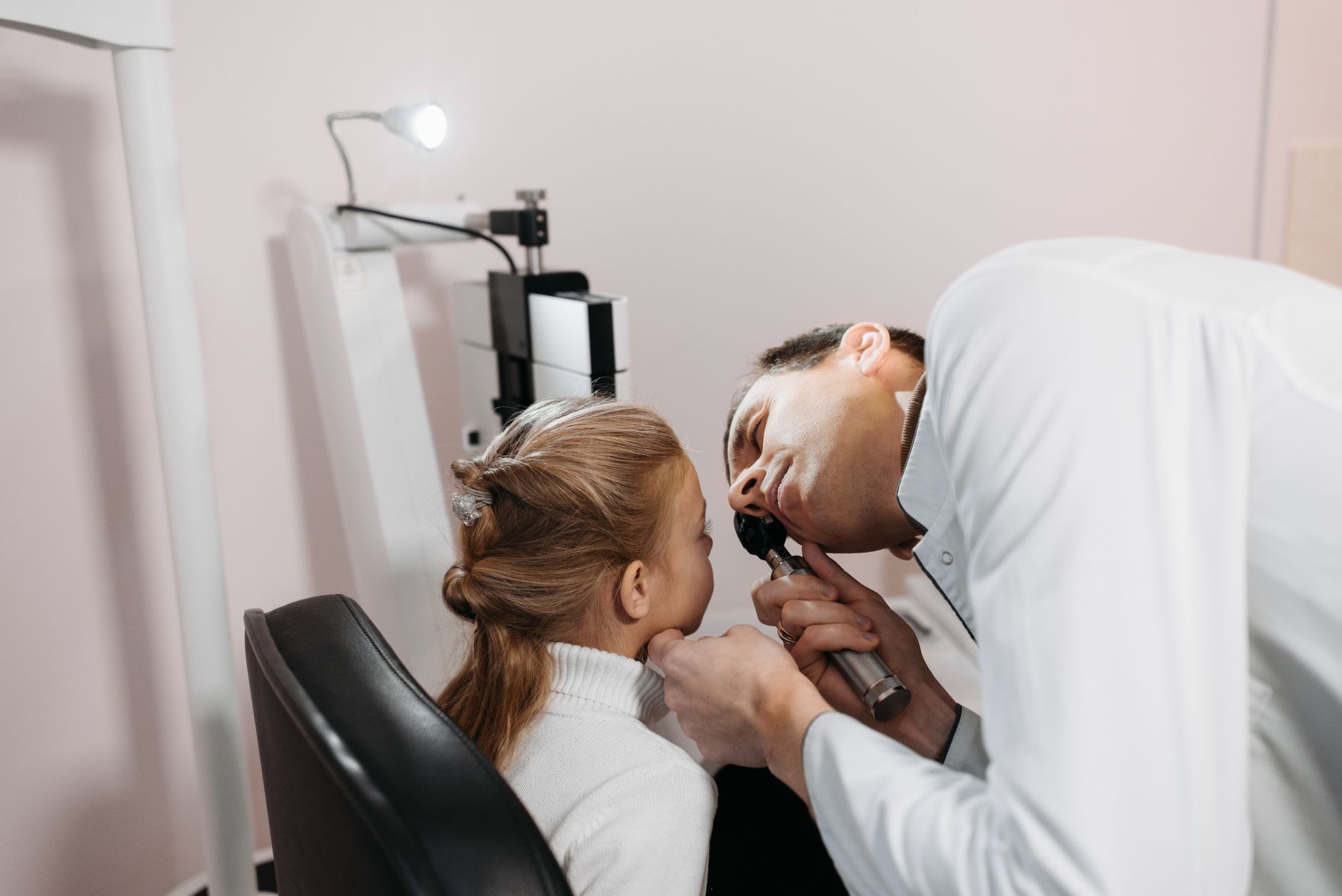
How Much Does IPL Dry Eye Treatment Cost in Burlington, KY?
IPL dry eye treatment in Burlington, KY typically costs $300 to $600 per session, with most patients needing 3 to 4 sessions for lasting relief. This guide breaks down total costs, what affects pricing, and how Primary Eye Care Associates helps Northern Kentucky patients find long-term dry eye relief.
9 min read